Vitamin D Compounding Pharmacy in Australia
Vitamin D is essential for everyone, every day. As a trusted Vitamin D Compounding Pharmacy, we understand how important this nutrient is for maintaining strong bones, supporting immune function, and contributing to overall wellbeing. Many people struggle to maintain healthy Vitamin D levels due to limited sun exposure, dietary gaps, or specific medical needs which is why personalised Vitamin D formulations can make such a difference.
At Zenith Pharmacy, we provide tailored Vitamin D preparations for patients who require precise dosing, alternative formats, or allergen-free options. Whether you need a customised supplement, practitioner-directed formulation, or a convenient way to buy vitamin D supplements online, our compounding team ensures you receive safe, accurate and effective Vitamin D support for your health.
WHAT CAN WE DO FOR YOU
Specialised Vitamin D Compounded Medications
As a specialised Vitamin D compounding pharmacy, our compounding chemists prepare customised Vitamin D formulations directly on site instead of relying solely on pre-packaged products. This allows us to create personalized prescriptions that suit individual health needs, including options for people with allergies, specific dosage requirements, or those who cannot tolerate standard commercial supplements.
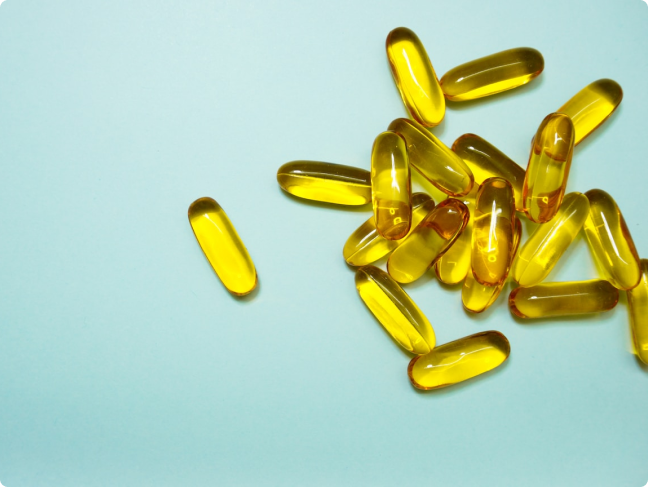
We compound Vitamin D in several formats, including capsules, liquids and injections, ensuring patients can access the right strength and delivery method recommended by their healthcare professional. Some high-dose Vitamin D supplements are only available through select Australian pharmacies, including:
- Vitamin D 600,000 IU injection
- High-dose Vitamin D 50,000 IU capsules
At Zenith Pharmacy, we proudly stock and prepare a wide range of compounded Vitamin D products, such as:
- Vitamin D 5,000 IU capsules
- Vitamin D 10,000 IU capsules
- Vitamin D 50,000 IU capsules
- Vitamin D 100,000 IU oral liquid
Whether you need a precise dose, a specialised formulation, or guidance on choosing the right option, our compounding team is here to support your Vitamin D requirements with accuracy, quality and personalised care.

The Sunshine Vitamin
Most people know Vitamin D as the “sunshine vitamin,” produced naturally when our skin is exposed to the sun’s ultraviolet-B rays. Beyond that, it’s also a powerful nutrient and hormone linked to a wide range of health benefits, including support for musculoskeletal strength, immune function, mood regulation, and even reduced risks associated with diabetes, cancer and depression.
Because very few foods naturally contain Vitamin D and modern lifestyles involve long hours indoors along with sun-safe habits, many people struggle to reach recommended levels without supplementation. When a deficiency develops, getting the right dose becomes essential.
For individuals who require precise strengths, allergen-free options or specialised delivery formats, compounded Vitamin D can be an effective solution. These personalized formulations are prepared by a Vitamin D compounding pharmacy, ensuring you receive a supplement tailored specifically to your clinical needs.

What Is Vitamin D?
Vitamin D is both a nutrient and a hormone that plays a vital role in helping the body absorb and retain calcium and phosphorus the essential minerals that form the foundation of strong, healthy bones.¹
Our bodies naturally produce Vitamin D when the skin is exposed to ultraviolet-B rays from sunlight. However, individuals with darker skin often have lower Vitamin D levels because higher skin pigmentation reduces the skin’s ability to produce it efficiently.
Only a small number of foods naturally contain significant amounts of Vitamin D, such as fatty fish including salmon and mackerel. In Australia, some products including specific milk and dairy items are fortified with Vitamin D to help boost intake among the population.
Vitamin D benefits
There are numerous benefits associated with Vitamin D with studies showing potential links to reducing cancer cell growth, lowering inflammation and helping with fertility and depression. While more studies are needed into some of these areas, there has been much research into the potential benefits of Vitamin D. A chemist that is specialised as a Vitamin D compounding pharmacy can assist with supplement.

-

Musculoskeletal
Vitamin D is an important nutrient for musculoskeletal health with links between Vitamin D deficiency and bone disease. It promotes calcium absorption in the gut and helps to enable normal bone mineralisation and bone growth 3 . Along with adequate amounts of calcium, Vitamin D can help protect older people from osteoporosis.
-
Fertility
Studies have shown Vitamin D may also be important for fertility health, pregnancy outcomes and lactation. A deficiency in Vitamin D is a risk marker for reduced fertility and is associated with some adverse pregnancy outcomes 4 .
-
Depression
Vitamin D may play an important role in the management of depression. Studies have suggested that treating Vitamin D deficiency in people with depression and other mental disorders may be a cost-effective therapy that could improve long-term health outcomes and quality of life 5.
-
Immune function
Vitamin D is also making itself known as an important part of a healthy immune system. Research has shown Vitamin D can promote protective immunity and a reduction in inflammation, in conditions such as COVID-19 6 . Multiple studies have shown a link between low Vitamin D levels and increased infection and, through sunlight exposure, Vitamin D was unknowingly used to treat infections like tuberculosis before the creation of antibiotics.
-
Diabetes
Many studies have proposed Vitamin D can also work to modify the risk of developing diabetes 7 . It is thought it can impact insulin sensitivity and secretion which may explain why Vitamin D may help to reduce the risk of developing type 2 diabetes.
-
Cancer
Scientists have also studied links between Vitamin D and cancer, suggesting it may play a role in cancer prevention and treatment 8 . Vitamin D deficiency has also been linked with contributing to the development and progression of several types of cancers, with researchers saying Vitamin D therapies may be a promising strategy for cancer prevention and treatment.


What is a Vitamin D deficiency?
A deficiency of Vitamin D is linked with conditions such as rickets or soft bones in children and skeletal deformities. In adults, a Vitamin D deficiency is linked with osteomalacia, a condition of weak and softened bones9 .
In Australia, it has been estimated that up to 23 per cent of women have a marginal Vitamin D deficiency, while the rate was up to 80 per cent in women who have dark skin or wear veils10 .
Other risk factors for Vitamin D deficiency include:
- People who have limited exposure to sunlight due to lifestyle factors, illness or hospitalisation
- People with dark skin
- People with conditions such as coeliac disease or inflammatory bowel disease
- Other medical conditions like obesity, end-stage liver disease or kidney disease 11
The Australian Therapeutic Guidelines recommends those at higher risk are tested for Vitamin D deficiency.

How much Vitamin D do people need?
For those Australians who have no or minimal exposure to sunlight, the daily adequate intake of Vitamin D is as follows:
- For children - five micrograms (200 IU) for children, adolescents and adults aged 19–50 years
- For adults aged 51-70 - 10 micrograms (400 IU) for adults aged 51–70 years
- For adults aged over 70 - 15 micrograms (600 IU)12
The amount of sun needed to ensure adequate Vitamin D coverage depends on the person’s skin type, the amount of skin exposed, geographical and seasonal differences and the time of day.
Sunscreens inhibit the creation of Vitamin D as they block UVB light, but studies have shown people rarely use enough sunscreen to completely block all UVB 13 . The Cancer Council says most people ensure adequate Vitamin D levels through incidental sun exposure when the UV index is above 314 .
Vitamin D supplementation
Compounded Vitamin D supplementation can be recommended for people who have a confirmed deficiency.
The Australian guidelines recommend the following:
- Supplementation at 25-50 micrograms (1000–2000 IU) per day for people with mild vitamin D deficiency
- Supplementation of at 75–125 micrograms (3000–5000 IU) per day for 6–12 weeks, or 1250 micrograms (50,000 IU) once a month for 3–6 months for people with a moderate to severe deficiency.
There are risks associated with excessive Vitamin D consumption (above 10,000 IU/day) when taken for long periods, which can cause toxicity. It can result in hypercalcemia which can lead to nausea, dehydration and constipation.
Studies have shown that Vitamin D supplementation can be effective in treating a severe Vitamin D deficiency and can prevent and cure nutritional rickets in children and infants. However, if people have sufficient Vitamin D, they do not require supplements15 .
Sources
-
2 Vitamin D intake and vitamin D status of Australians
-
4 The Role of Vitamin D in Fertility and during Pregnancy and Lactation: A Review of Clinical Data
-
5 Vitamin D and Depression: Where is all the Sunshine?
-
6 Vitamin D shuts down T cell-mediated inflammation
-
7 Vitamin D supplementation for prevention of Type 2 diabetes mellitus
-
8 Exploring vitamin D metabolism and function in cancer
-
10 Vitamin D intake and vitamin D status of Australians
-
11 Vitamin D supplementation in musculoskeletal health: what's new?
-
12 Vitamin D shuts down T cell-mediated inflammation
-
13 6 things you should know about Vitamin D
-
15 The health effects of Vitamin D supplementation: evidence from human studies